
Yellowstone National Park is a living testament to Earth’s dynamic geological processes, offering visitors a unique opportunity to witness a diverse array of geological features in a single location. The park’s landscape is a mosaic of volcanic formations, hydrothermal features, and sedimentary structures, each narrating a chapter of Earth’s history.
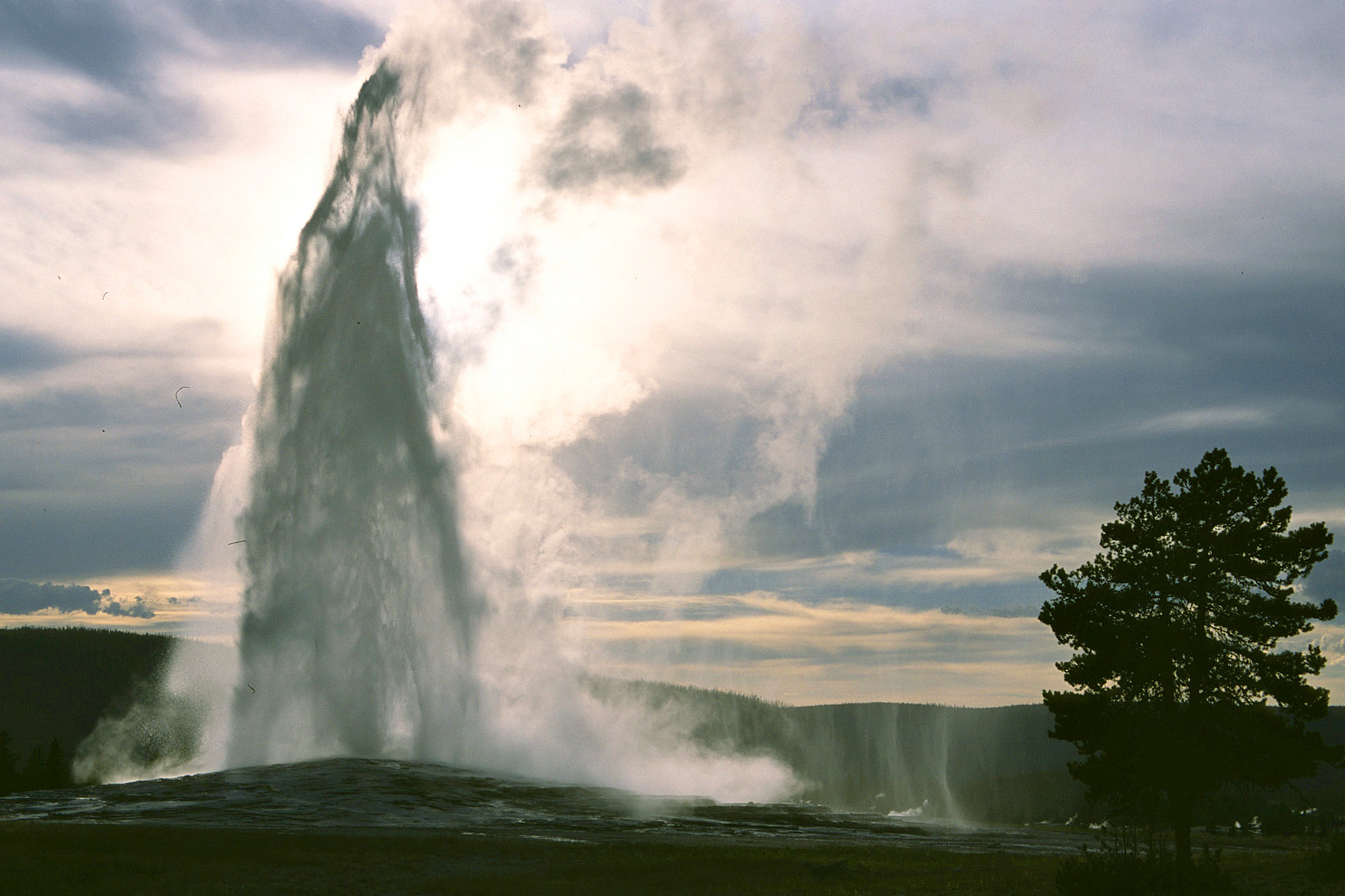
The Yellowstone Caldera: A Volcanic Marvel
At the heart of the park lies the Yellowstone Caldera, a massive volcanic depression formed approximately 631,000 years ago during a cataclysmic eruption. This event expelled vast amounts of volcanic material, leading to the collapse of the land and the creation of the caldera we see today. While its immense scale makes it challenging to observe in its entirety, the caldera’s rim and related formations are visible from various vantage points within the park.
Exploring Geological Wonders Along the Grand Loop Road
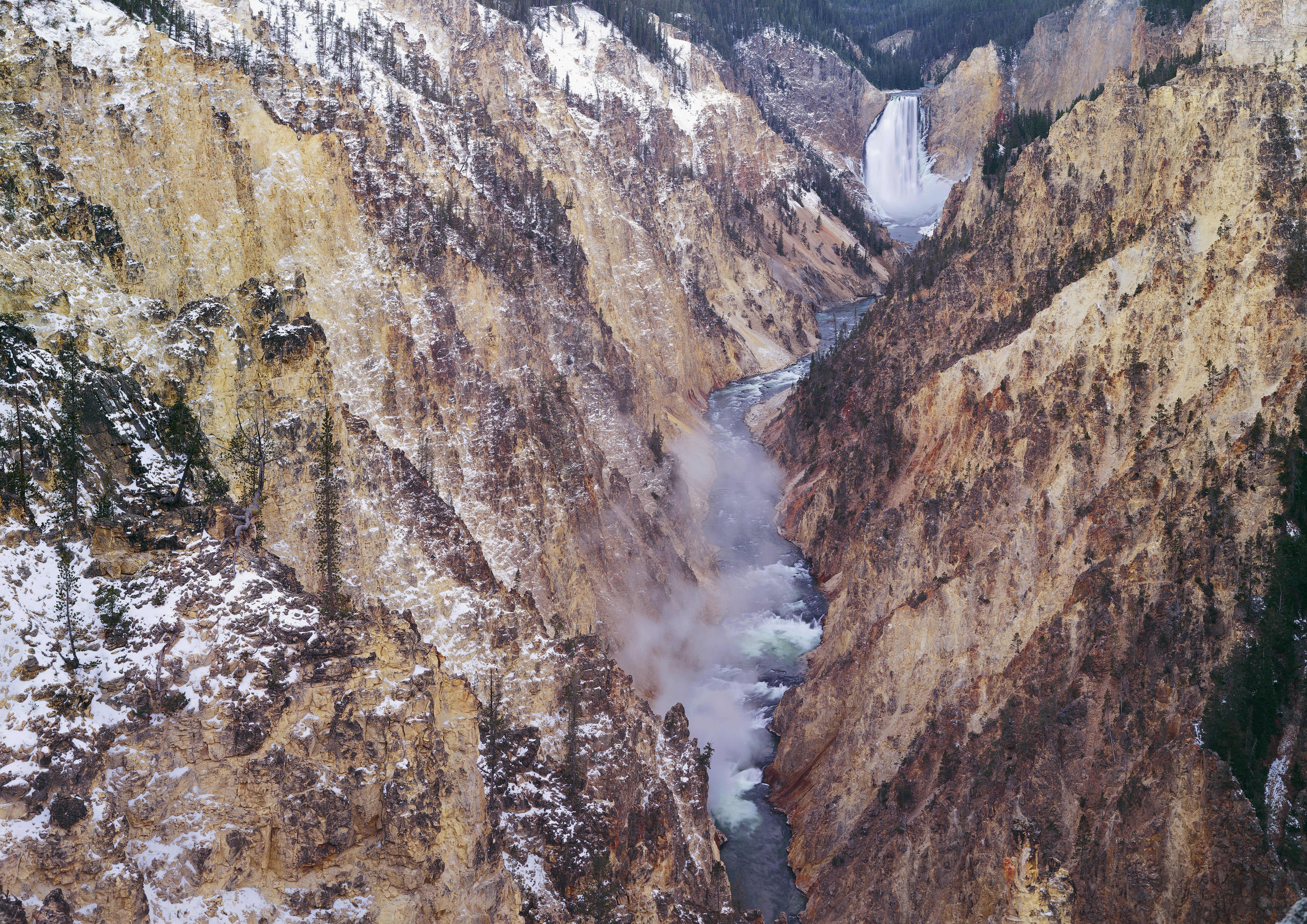
A journey along Yellowstone’s Grand Loop Road offers a curated experience of the park’s geological diversity. Accessible trails and viewpoints along this route allow visitors to explore:
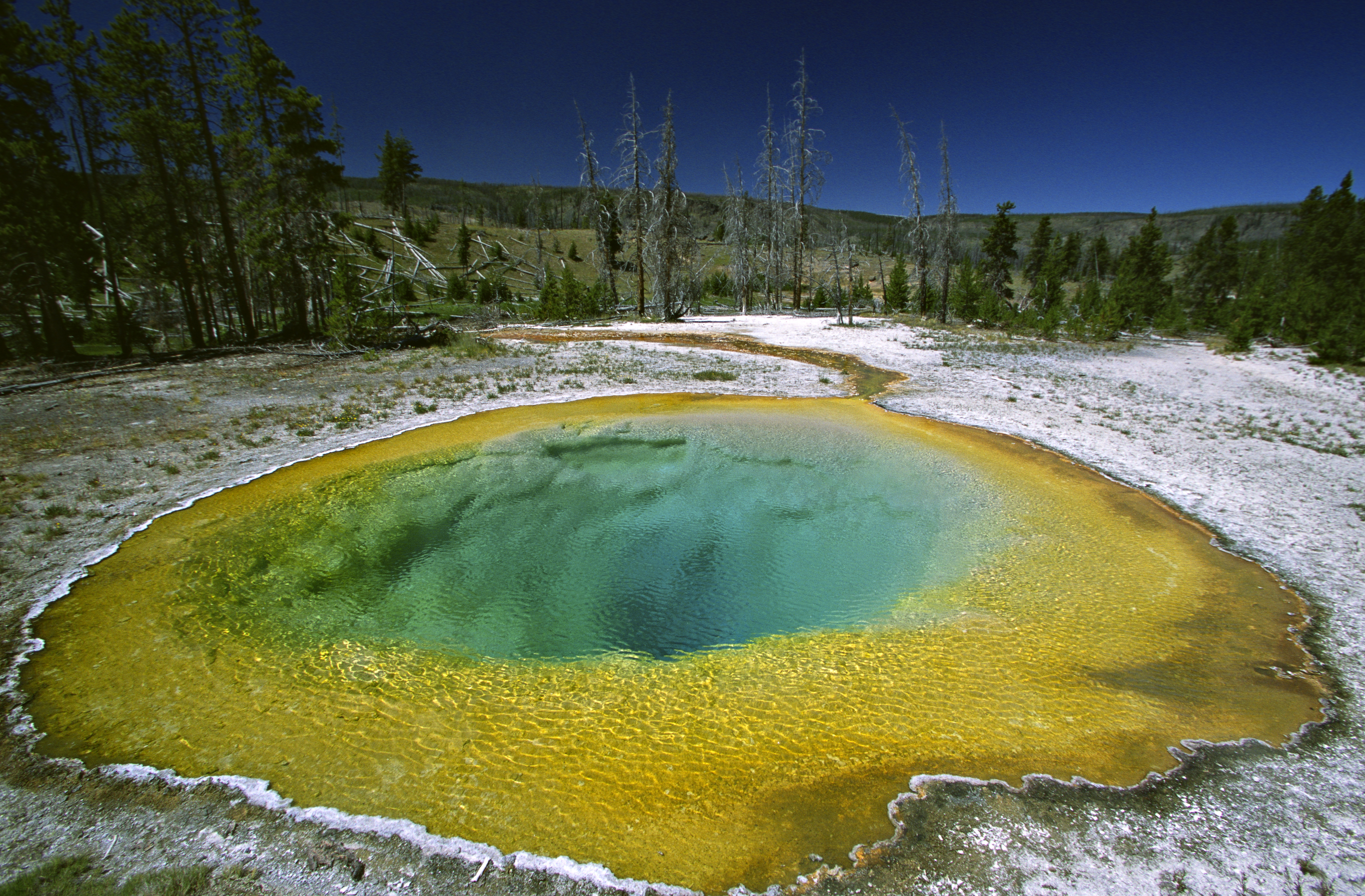
- Geysers and Hot Springs: Yellowstone boasts more than 10,000 thermal features, including the world’s greatest concentration of geysers, hot springs, mudpots, and steam vents.
- Lava Flows and Volcanic Deposits: The park’s landscape is dotted with rhyolitic lava flows and tuff deposits, remnants of past volcanic activity that have shaped its topography.
- Sedimentary Formations: In areas like the Grand Canyon of the Yellowstone, sedimentary rocks reveal layers of geological history, showcasing processes of deposition and erosion over millions of years.
A Living Laboratory of Earth’s Processes
Yellowstone’s geological features are not just relics of the past; they are active components of an ever-changing environment. The park’s hydrothermal system, driven by underlying magmatic heat, fuels geysers, hot springs, and fumaroles, providing a window into geothermal processes. Ongoing geological activity, including ground deformation and seismic events, continues to shape the landscape, offering scientists valuable insights into Earth’s inner workings.
Preserving and Understanding Yellowstone’s Geology
The U.S. Geological Survey, in collaboration with the National Park Service, has developed interactive tools like the Geology of Yellowstone Map. This resource allows users to explore nearly 100 distinct geological layers, enhancing understanding and appreciation of the park’s complex geology.
As stewards of this natural wonder, it is our responsibility to preserve Yellowstone’s geological heritage. By fostering a deeper understanding of its features and processes, we can ensure that future generations continue to marvel at and learn from this unparalleled geological showcase.
Plan Your Trip with the Chimani App
Exploring Yellowstone’s incredible geology is even easier with the Chimani app (iOS or Android) . Download the Yellowstone guide for offline use, access the customizable trip planner, and ensure you have detailed park maps and guides—no cell signal required. Whether you’re navigating the Grand Loop Road or seeking out geyser basins, Chimani helps you make the most of your trip.
📲 Download the Chimani app (iOS or Android) today and start planning your Yellowstone adventure!

 Chimani Blog