

Freedom. It’s a word that rings through every canyon, forest, and mountain peak in America. But the path to true freedom has never been a straight line — and on the land itself, the journey isn’t over.
Every year on June 19th, we mark Juneteenth — the day in 1865 when the last enslaved Black Americans in Texas finally learned they were free, more than two years after the Emancipation Proclamation. Juneteenth is a celebration of freedom delayed, but hard-won. It’s a day of reflection, joy, and resilience.
But here’s something we believe at Chimani: the story of freedom doesn’t end with a legal document or a date on the calendar. It lives on in the everyday act of stepping outside — of feeling free to explore this country’s vast public lands.
And that raises an important question:
Who gets to feel free on the land?
Freedom and the Outdoors: A Complicated History
America is a land of grand spaces and even bigger promises — “the land of the free,” home to national parks that inspire awe in millions. But for far too long, not everyone was welcome to enjoy these places equally.
- In the South, National Parks and public lands were segregated until the 1950s.
- Black Americans were often made to feel unsafe or outright barred from outdoor spaces — from campgrounds to scenic overlooks to local trails.
- The stories told in our parks still too often overlook the role and presence of Black Americans — despite their long and rich connection to the land.
Even today, this history lingers. While Black Americans make up roughly 13% of the U.S. population, they account for just 6–7% of National Park visitors. That gap isn’t an accident — it’s the echo of barriers, both visible and invisible.
Reclaiming Space, Reclaiming Joy

So what does Juneteenth have to do with our National Parks? In a word: everything.
Juneteenth reminds us that freedom is about more than laws — it’s about access, dignity, and the ability to move through the world without fear or exclusion.
That includes the right to:
- Rest under a redwood
- Paddle a glacial lake
- Hike a desert trail
- Pitch a tent beneath stars that belong to everyone
Visiting a National Park on Juneteenth — or any day — can be a powerful act:
A way of saying:
I belong here.
My story belongs here.
My joy belongs here.
My freedom belongs here.
Progress, One Step at a Time
The good news? The story is growing. Across the National Park System, new voices and histories are being told:
- Freedom Riders National Monument (Alabama) — honors civil rights heroes.
- Harriet Tubman Underground Railroad National Historical Park (Maryland) — celebrates a legendary path to freedom.
- Reconstruction Era National Historical Park (South Carolina) — shines a light on the complex story of post-slavery America.
And outside the official system, groups like Outdoor Afro and Black Outside, Inc. are reconnecting Black communities with the outdoors — forging new traditions and honoring old ones.
Because here’s the truth: Black Americans have always had a relationship with the land — as stewards, farmers, soldiers, freedom-seekers, and outdoor lovers. That story deserves to be told.
This Juneteenth
At Chimani, we encourage everyone to explore — and to reflect.
Visit a park.
Learn a story you didn’t know.
Celebrate joyfully in nature.
Because freedom — real freedom — means having the space to move, to breathe, and to belong. And that’s something worth celebrating on Juneteenth, and every day after.
Juneteenth-Inspired National Park Trip Ideas
Here are some trip ideas to feature on the Chimani app, blog, or socials — highlighting parks that reflect Black history, the struggle for freedom, and the joy of outdoor connection:
🌟 1. Freedom Riders National Monument — Alabama
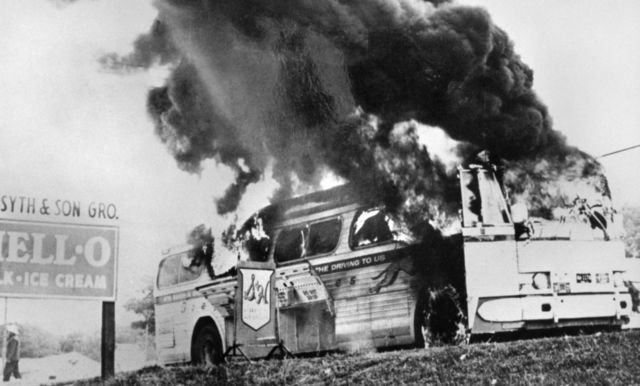
Visit the Greyhound bus station in Anniston, Alabama, where brave civil rights activists faced violence in their fight to desegregate public transportation. A powerful place to reflect on the meaning of freedom in public spaces.
Pair it with: Nearby Talladega National Forest — great for scenic drives, peaceful hikes, and camping.
🚣 2. Harriet Tubman Underground Railroad National Historical Park — Maryland
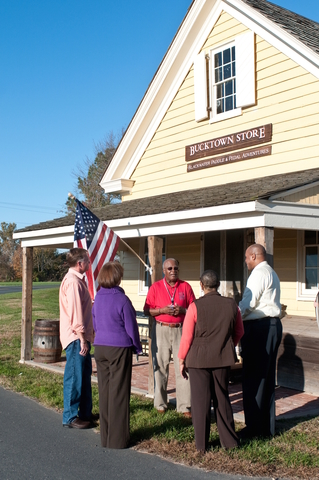
Follow the landscapes that shaped Tubman’s life — from the wetlands of the Eastern Shore to the routes she traveled to guide enslaved people to freedom.
Pair it with: Blackwater National Wildlife Refuge — incredible kayaking and birding.
🏛️ 3. Reconstruction Era National Historical Park — South Carolina

Explore the often-overlooked story of America’s first great effort at racial justice after the Civil War. This park tells the story of the struggle — and promise — of freedom.
Pair it with: Hunting Island State Park for beaches, trails, and a historic lighthouse.
🏞️ 4. Shenandoah National Park — Virginia

A beautiful Appalachian escape — and once a site of segregated camping. Today, Black hikers and outdoor groups are actively reclaiming this space.
Pair it with: The nearby African American Heritage Trail in the Blue Ridge region.
🌄 5. Yosemite National Park — California

Yosemite holds not only natural wonders, but also the little-known history of Black pioneers like Stephen Bishop, one of the park’s first climbing guides.
Pair it with: Time to connect with nature — hike, stargaze, and reflect on whose stories we celebrate.
✊ 6. New Orleans Jazz National Historical Park — Louisiana

Celebrate the creativity and cultural richness that arose from Black communities — because music is freedom, too.
Pair it with: A riverboat cruise on the Mississippi, or a walk through nearby Jean Lafitte National Historical Park.
🧭 Tips for Visitors on Juneteenth
- Visit parks that highlight Black history
- Support Black-led outdoor groups (Outdoor Afro, Blackpackers, Black Outside, Inc.)
- Attend ranger talks and community events
- Share your experience — because representation matters

 Chimani Blog